
L-Carnitine 101: Forms, Functions, and Applications in Nutrition
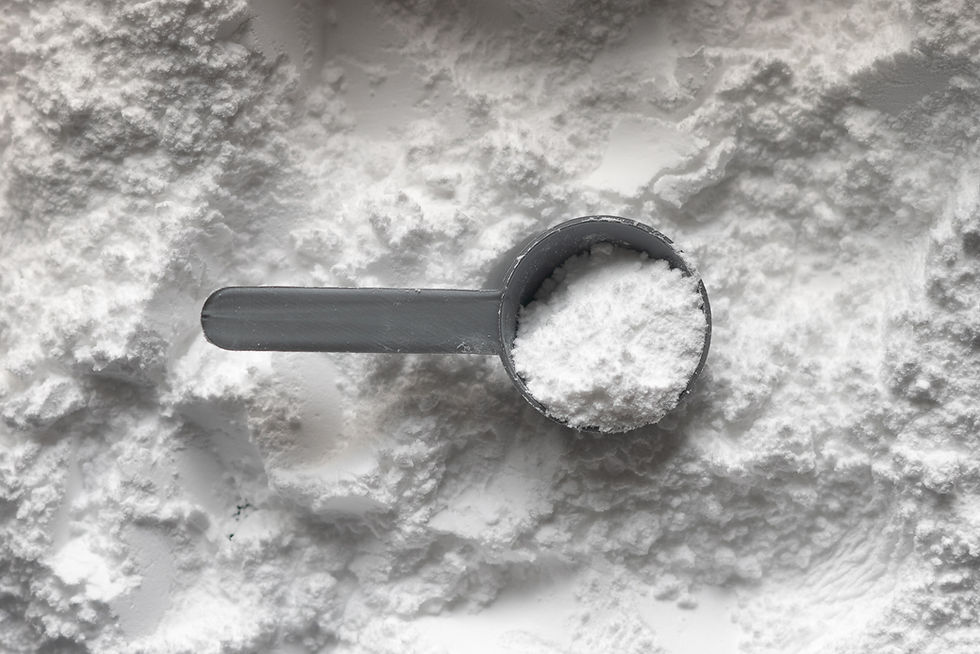
L-Carnitine is one of the most researched and widely used ingredients in the nutritional supplement industry. As a trusted U.S. distributor of KoncepNutra™ L-Carnitine products, we put together this overview to help brands and manufacturers better understand the different forms and how they are used in formulations.
What Is L-Carnitine? L-Carnitine is a naturally occurring compound derived from amino acids lysine and methionine. Its primary role in the body is to transport long-chain fatty acids into the mitochondria, where they are converted into energy. This makes it a popular ingredient in energy, weight management, and sports nutrition products.
Common Forms and Their Applications
L-Carnitine L-Tartrate — One of the most bioavailable forms. Widely used in sports nutrition for its role in muscle recovery and performance. Highly stable and easy to work with in powders and capsules.
Acetyl-L-Carnitine HCL (ALCAR) — The acetylated form that crosses the blood-brain barrier, making it ideal for cognitive health and nootropic formulations in addition to energy products.
L-Carnitine Base — The pure free-form version, versatile across a broad range of supplement applications including tablets, liquids, and functional beverages.
Propionyl-L-Carnitine HCL — Commonly used in cardiovascular health formulations and products targeting circulation and peripheral vascular health.
L-Carnitine Fumarate — A stable salt form preferred for tablet manufacturing due to its excellent flow and compression properties.
Where It Is Used L-Carnitine is used across sports nutrition, weight management, cognitive health, cardiovascular wellness, functional foods, beverages, and pet nutrition — particularly for aging dogs and cats.
Dongyu USI supplies the full range of KoncepNutra™ L-Carnitine products directly from our Tustin, CA warehouse. Samples and COAs are available upon request. Contact our team to discuss which form is right for your formulation.


Great article!